Skip to content





Starting school marks an important milestone – for both the child and the parents. The first day of school can feel like a big step into a new world of routines, independence and learning. To make the transition easier and more comfortable, we have put together a checklist for starting school with concrete advice and tips, so that both you and your child feel well prepared.
1. Prepare school supplies well in advance
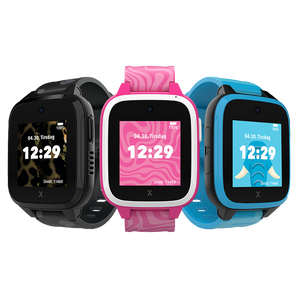
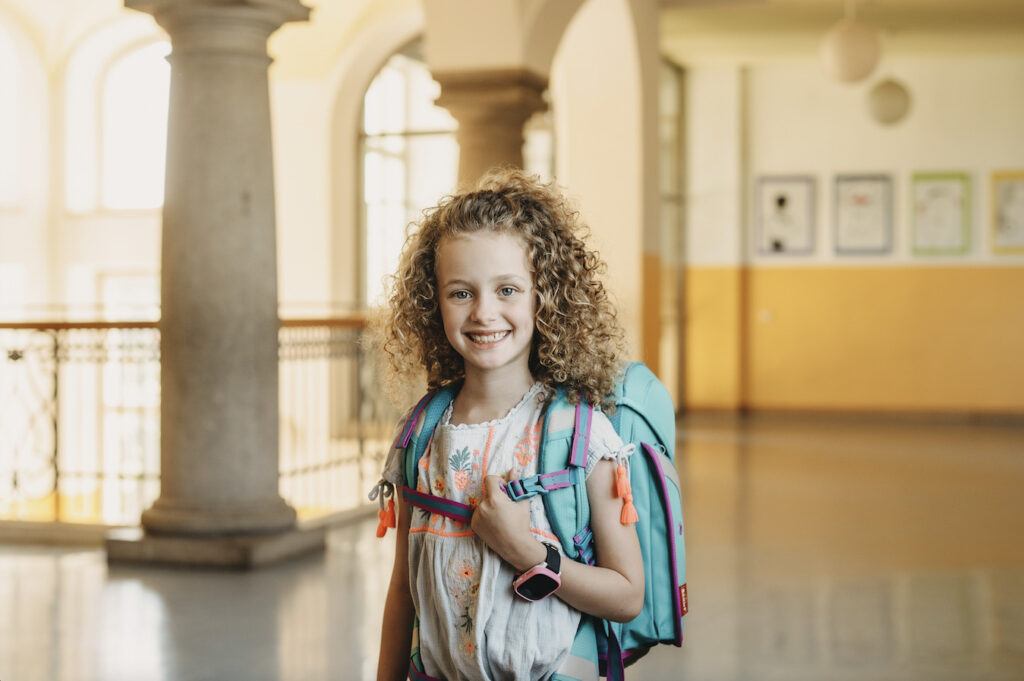
Start well in advance of the start of school to avoid last-minute stress. Make sure that the most necessary things are ready: a sturdy school bag, pencils, eraser, pencil case - and possibly a smartwatch so you can stay in touch. Feel free to let your child help choose the things themselves - it gives them a sense of ownership and security. Maybe they choose a bag in their favorite color or colorful markers? And remember, it doesn't all have to be new! Many families find nice and almost unused things for the start of school in second-hand stores or on online marketplaces.
2. Visit the school before school starts
Take some time to get to know your surroundings. Take a walk around the school, find the main entrance and other recognizable places that your child can recognize, such as a large tree or a wall with a special color or illustration. Go over together what a typical school day looks like: Where does the child go in the morning? Where do they hang their outerwear? Where do they get picked up? The more recognizable it is, the safer it feels.
3. Practice morning routines
Start getting used to earlier mornings a few days before school starts. Practice following the same routine every day: wake up, brush your teeth, get dressed and eat breakfast - without stress. You can also do a “test morning” and see how long it takes. Tip: With a smartwatch from Xplora, you can set small reminders, e.g. to brush your teeth or leave for school.
4. Communication and mobile phones during school hours
It is important to know the school's rules regarding mobile devices, as smartphones and mobile phones are not allowed during classes at many schools. A smartwatch like the Xplora can be a good solution here: When the watch is set to "school mode", it works like a regular wristwatch, where you can see the time, and therefore does not interfere with classes or recess. If your child has an Xplora watch, have a talk about how school mode works: They cannot make calls or send messages during the school day, and their smartwatch is therefore - during school hours - just a regular watch.
It is also a good opportunity to talk about why it is important. Children should learn that the school day is their time to be present in class, use their imagination to play and be active. If something feels difficult, they should learn to go to the school's teachers and educators. The clock should not be a shortcut to calling mom or dad every time something feels unusual. They get that security through the community and the adults at school.
In this way, the child learns to use technology responsibly - and to trust themselves and those around them.
Read more about school conditions here.

5. Talk about feelings at the start of school
Starting school can bring up feelings of both excitement and nervousness. Allow space to talk about what the child is looking forward to and what may feel a little difficult. Ask curiously: How do they imagine the classroom? What are they looking forward to learning? What are they a little unsure about? It can be helpful to practice small situations at home, such as how to say hello, ask if they can join in a game or ask for help. For the child, it's not just about school - it's about finding their place. Research shows that security and a sense of belonging are absolutely central to the transition from kindergarten to school, and relationships with both classmates and adults have a great impact on how the child experiences the first weeks. Remind your child that they can always tell you about their day - both what was fun and what felt a little difficult.
6. Walk to school together
Walk the route to school several times before school starts, so that the child feels safe in the new surroundings - both if you have to accompany them and if the child later has to walk or cycle on their own. Show them where it is safe to cross the road, where they can wait if they arrive early, and help them find recognizable landmarks along the way. The more times you practice the route, the safer the child will feel - and the calmer it will be for you as a parent. If your child uses a smartwatch from Xplora, you can also use the GPS function and set up a safe zone around the school. Then you will automatically receive a message when your child has arrived at school - and again if they leave the area. This gives an extra sense of security without you having to contact them directly during school hours. It is also a good help if your child starts cycling on their own to leisure activities, football or after-school club. You can follow their progress without it being a check - just a quiet reassurance in the background while the child practices being more independent. Read more about GPS and safe zones here.
7. Create a quiet place for homework
A fixed place for homework helps the child focus. It doesn't have to be a desk - a corner of the dining table or sofa with good lighting works well. The most important thing is peace and few distractions. Also consider a shared calendar on the wall or digitally, so the whole family has an overview of school holidays, activities and parent-teacher conferences.
8. Label the child's things
It rarely takes long for mittens, hats or slippers to get lost. Label everything from school bags and pencil cases to outerwear and gym clothes. You save time and avoid confusion later. Many parents like to use colorful name stickers or iron-on labels that stay in place even after many washes.
9. Practice social skills
In the days before school starts, spend time talking about everyday social situations: Practice asking for help, introducing yourself, and waiting your turn. Encourage your child to share and listen when others are talking. Small exercises like these can help build confidence and make it easier to make new friends.

10. Support the child's independence
Children grow when they feel they can do it themselves. Practice going to the toilet without help, washing their hands, putting on and taking off their outerwear, and packing their school bag themselves. Praise and celebrate the small victories - and remind them how big and capable they have become!
11. Keep calm yourself
Your own attitude is contagious. If you radiate calm and encouragement, the child will feel more secure. Even if you may be a little emotional, use positive language: “I’m so proud of you” or “You’re going on your own little adventure” can work wonders.
12. A smartwatch provides security
An Xplora smartwatch is a reliable companion for everyday life. It gives you the essentials, such as calls, GPS tracking and voice messages, all in a kid-friendly design without the internet or social media. If your child needs to contact you or send a quick update, they can easily do so right from their wrist. You can explore the colorful XGO3 smartwatch or the more advanced X6Play smartwatch to find the best solution for your family. We wish you a great start to school in 2026 - you and your child are ready!


 Danmark
 Norge
Norge
 Sverige
 Suomi
Suomi